
Missing teeth can affect more than just your appearance — they can also impact your ability to chew, speak, and maintain a healthy bite. Fortunately, modern dentistry offers several reliable solutions for restoring your smile. One of the most popular and effective options is a dental bridge.
At Tuscan Lakes Family Dentistry, we specialize in designing and placing custom dental bridges that restore both the function and beauty of your smile. If you’ve been wondering how the dental bridge procedure works, here’s a step-by-step overview to help you understand what to expect.
What Is a Dental Bridge?
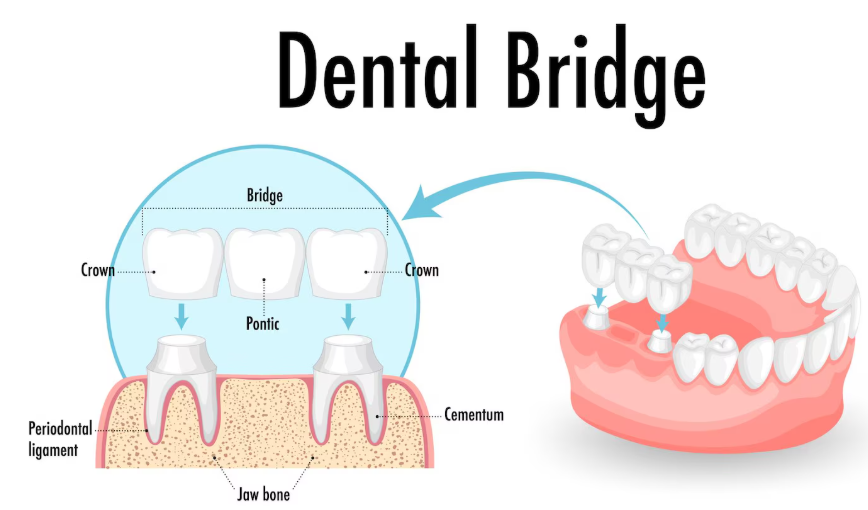
A dental bridge is a fixed prosthetic device that replaces one or more missing teeth by bridging the gap between remaining teeth. The bridge consists of one or more artificial teeth (known as pontics) that are supported by your natural teeth or dental implants, called abutments.
A dental bridge not only restores your smile’s appearance but also helps maintain proper alignment and prevent your remaining teeth from shifting out of place.
Step-by-Step: The Dental Bridge Procedure
Step 1: Consultation and Examination
The process begins with a thorough dental exam and consultation. During this visit, our dentist evaluates your oral health, takes digital X-rays, and discusses the best bridge option for your needs.
Step 2: Tooth Preparation
For traditional or cantilever bridges, the abutment teeth (the teeth next to the gap) are reshaped to make room for crowns that will support the bridge. This ensures a secure and natural fit.
Step 3: Impression and Temporary Bridge
After preparing the teeth, our team takes digital or physical impressions of your mouth. These impressions are sent to a dental lab where your custom bridge is crafted. In the meantime, a temporary bridge is placed to protect your exposed teeth and gums.
Step 4: Fitting and Adjustment
Once your permanent bridge is ready, you’ll return for placement. The dentist carefully checks the fit, color, and bite alignment, making adjustments as needed to ensure comfort and functionality.
Step 5: Permanent Placement
Finally, the bridge is cemented or bonded into place. For implant-supported bridges, the bridge is secured onto dental implants for exceptional strength and stability. You’ll leave with a complete, confident smile that looks and feels natural.
Types of Dental Bridges
There are four main types of dental bridges, each suited to different needs:
- Traditional Bridges – The most common type, supported by crowns on adjacent teeth.
- Cantilever Bridges – Require support from only one abutment tooth, ideal for specific situations.
- Maryland Bonded Bridges – Use metal or porcelain “wings” bonded to the backs of neighboring teeth for minimal alteration.
- Implant-Supported Bridges – The most durable and long-lasting option, supported entirely by dental implants.
Our dentists at Tuscan Lakes Family Dentistry will help determine which bridge type best suits your oral health, lifestyle, and goals.
Restoring Your Smile with Confidence
A dental bridge not only improves the appearance of your smile but also restores comfort and balance to your bite. With proper care — including good oral hygiene and regular dental checkups — a bridge can last many years.
At Tuscan Lakes Family Dentistry, we combine advanced dental technology with compassionate care to ensure every patient receives long-lasting, natural-looking results.
If you’re ready to restore your smile, schedule your consultation today and let our team help you bridge the gap with confidence.
Recent Comments