
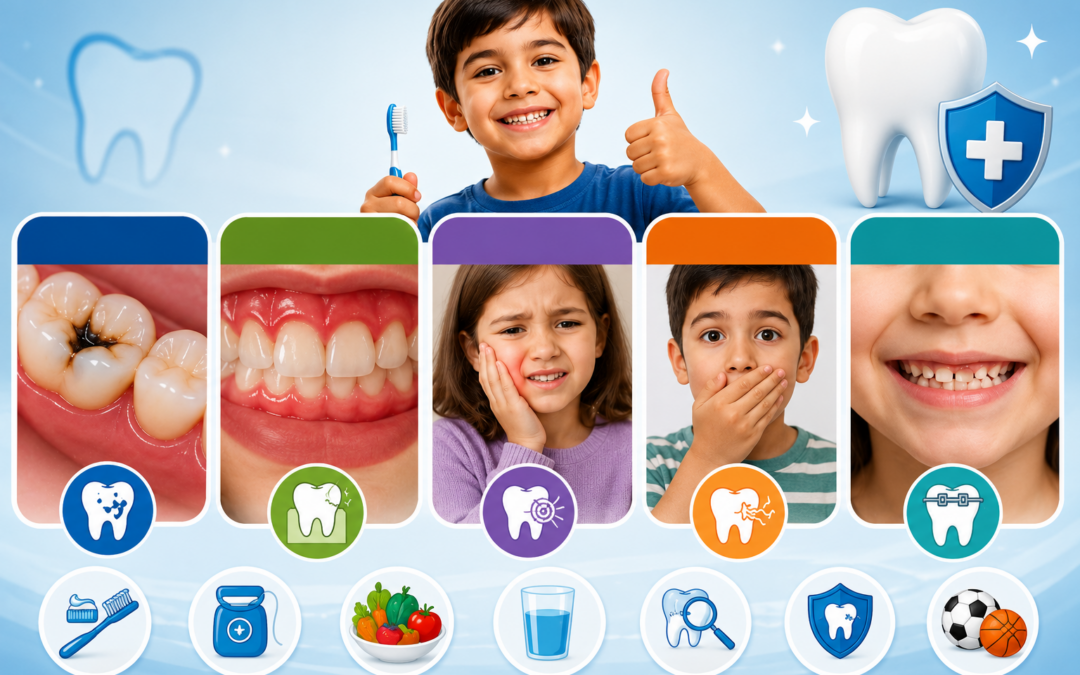
Dental care is very important for children since their teeth are constantly growing and changing. Young smiles can be affected by cavities, sensitive teeth, gum problems and dental injuries. If you are looking for dentistry near Santa Fe, TX, knowing what to look for can help you spot potential problems early and encourage healthier habits at home.
Parents can also learn more about preventive care appropriate for different stages of childhood and discuss their child’s dental needs at Tuscan Lakes Family Dentistry.
Cavities Can Develop Quickly
Cavities are one of the most common dental problems kids have. Cavities can develop from eating lots of sugary snacks and drinks, particularly if you don’t brush often.
Bacteria in the mouth feed on sugars and produce acids that can slowly eat away at tooth enamel. Plaque buildup can be reduced by brushing regularly with fluoride toothpaste and helping younger children to brush well.
Parents can also help encourage water versus sugary drinks and cease making treats a normal part of a child’s everyday life.
Watch for Changes in Sensitivity
Sensitivity can be caused by decay, enamel issues, a cracked tooth or another underlying problem. If symptoms persist, parents should schedule a dental evaluation rather than assuming the problem will go away.
Healthy Gums Matter
Parents should be on the lookout for more than just cavities.
Red, swollen or bleeding gums can indicate plaque buildup around the teeth. As part of their daily routine, kids should be taught to brush gently along the gum line and clean between their teeth.
Regular visits to a professional can also help identify areas where children may be struggling with their brushing technique.
Dental Injuries Need Attention
Children can chip, crack, loosen or knock out a tooth during sports, falls or routine accidents.
The child should be assessed for dental injury even if they seem comfortable afterward. Damage may not be apparent right away and prompt advice from an expert can help you determine what actions to take.
Parents may also find it useful to have their dental practice’s contact information readily available for any unexpected situations.
Prevention Starts at Home
Good dental health is built on small, repeated habits each day.
Parents can support children by encouraging them to
- Brush their teeth regularly
- Clean between their teeth
- Stay hydrated by drinking plenty of water
- Limit frequent sugary snacks and drinks
- Avoid biting hard objects
- Wear adequate protection when playing contact sports
- Visit the dentist regularly
Younger children need supervision until they are able to brush well on their own. Brushing as part of a morning and bedtime routine can help make it a habit instead of a daily battle.
When Should Your Child See a Dentist?
Parents often begin searching for a kids dentist near me only when a child develops pain. But even when there are no obvious symptoms, routine visits are important.
Routine visits enable dental professionals to monitor developing teeth, identify early signs of decay, talk about oral hygiene and answer questions regarding habits that may affect a child’s smile.
If you live in or near the area and you’re seeking information about dentistry near Santa Fe, TX, selecting a practice that can deliver ongoing preventive care might make it easier to maintain dental visits as your child grows.
At Tuscan Lakes Family Dentistry, parents can discuss their concerns about their child’s developing teeth and receive advice on how to maintain good oral hygiene between appointments.
Make Dental Care Part of Growing Up
Children don’t have to wait until something hurts to go see the dentist. Healthy habits, preventive care and early attention to unusual symptoms can help protect teeth that are developing.
When searching for a kids dentist near me, you might want to find a dental practice that can meet your young child’s needs at various stages of development.
The team at Tuscan Lakes Family Dentistry can help families make preventive dental care a regular part of childhood so that young patients can develop habits that support healthier smiles for years to come.
Recent Comments